Middle East War Escalates — Sunday marked 100 days since the outbreak of open war between the United States, Israel and Iran — a conflict that remains deeply unpopular among the American public — as violence surged across Lebanon, Gaza and the occupied West Bank, drawing fresh condemnation from regional governments and senior US lawmakers alike.
In Lebanon, an Israeli strike killed three high-ranking Lebanese army officers: Brigadier General Wissam Sabra, Captain Elie Khoury, and soldier Hussein Ghazal. Lebanese Prime Minister Nawaf Salam denounced the attack as a heinous crime, while Hezbollah characterised it as deliberate and premeditated. Israeli forces have intensified operations across southern Lebanon in recent days, killing at least 10 people in a broader escalation that critics have begun describing as the ‘Gazafication of Lebanon‘ — a term capturing how tactics normalised during the Gaza conflict, including strikes on schools, hospitals, clinics, and double-tap attacks targeting paramedics and rescue workers, are now being replicated in Lebanese territory. Hundreds of Palestinian and Lebanese paramedics have been killed in such attacks. The so-called ‘Yellow Line’ — the zone of Israeli military operations — now encompasses nearly a fifth of Lebanon.
In Gaza, an Israeli drone strike killed a father and son as they walked outside their displacement site in the Zeitoun neighbourhood of Gaza City. Separately, at least eight Palestinians were killed and 15 wounded in an attack on a displacement encampment situated near a UN school compound, also in Gaza City. The toll underscored the continued targeting of civilian infrastructure in one of the world’s most densely populated conflict zones.
Recommended Reading
Violence also struck the occupied West Bank. In Hebron, Israeli gunfire killed a seven-month-old Palestinian child, with both parents wounded in the same incident — an episode that drew immediate international attention as evidence of the conflict’s expanding civilian cost.
At sea, US Central Command shot down two Iranian one-way attack drones in the Strait of Hormuz, describing them as a direct threat to international maritime traffic. Iran maintained that its military actions constitute a response to US strikes on its coastal region. The exchange highlighted the persistent danger of escalation in one of the world’s most strategically critical waterways, through which a significant share of global oil shipments pass.
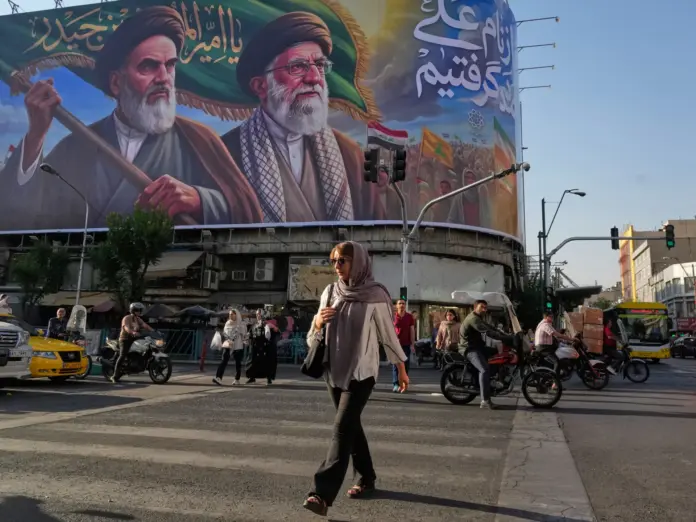
Diplomatic efforts to contain the conflict intensified. Pakistan’s Interior Minister Mohsin Naqvi travelled to Tehran, delivering a message from Islamabad directly to Iran’s Supreme Leader Mojtaba Khomeini and urging an end to the US-Israel war on Iran. The outreach reflects growing anxiety among Muslim-majority nations about the conflict’s trajectory and humanitarian consequences.
Meanwhile, a bloc of Arab states — Egypt, Jordan, Qatar and Saudi Arabia — joined Yemen’s Foreign Ministry in formally condemning Iran’s recent strikes on Bahrain and Kuwait, signalling that Tehran’s military posture is straining relationships even within the broader Muslim world. The condemnations reflect the complex and often contradictory alignments that have emerged as the war enters its fourth month.
Middle East War Escalates: Regional Implications
Inside the United States, congressional opposition to deepening military ties with Israel is gaining traction. Senator Bernie Sanders, along with Representatives Ro Khanna and Thomas Massie, voiced opposition to a provision embedded in the National Defense Authorization Act that would expand military cooperation with Israel. The bipartisan nature of the resistance — spanning the progressive left and libertarian right — reflects the breadth of public unease with American involvement in the conflict, which polling consistently shows is opposed by a majority of US citizens.
The cumulative picture at the 100-day mark is one of a conflict that has defied early expectations of containment. From the Strait of Hormuz to the hills of southern Lebanon, from displacement camps in Gaza City to the streets of Hebron, the war’s reach continues to expand — drawing in more actors, generating more casualties, and straining the diplomatic architecture that regional powers are scrambling to hold together.