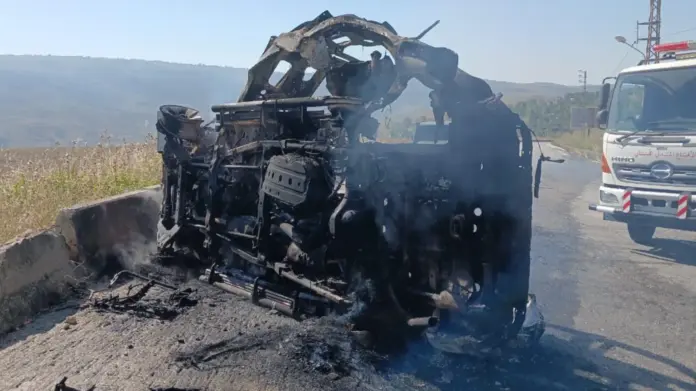
Idf Strike Lebanese Army — An Israeli airstrike on a Lebanese Army vehicle in southern Lebanon on Saturday killed two officers and a soldier, drawing fierce condemnation from Beirut and raising fresh questions about the trajectory of a conflict that has already consumed months of failed diplomacy.
The strike hit a car travelling near the village of Kfar Tebnit, approximately four miles north of the Litani River and close to the city of Nabatieh — a region that has endured intense fighting and mass displacement in recent months. The Lebanese Army described the attack as an "aggressive and barbaric raid," later escalating its language to condemn what it called "brutal, deliberate and repeated aggression" by Israeli forces.
The Israel Defense Forces confirmed the strike and opened an investigation. In its initial statement, the IDF said the vehicle was moving suspiciously toward Israeli troops in an area where gunfire had been reported. The military characterised the location as an "active and evacuated combat zone" where Hezbollah has previously operated, adding that any troop movements in the area require prior coordination with Israeli forces. An early IDF assessment indicated three soldiers were believed to have been in the vehicle at the time of the strike.
Recommended Reading
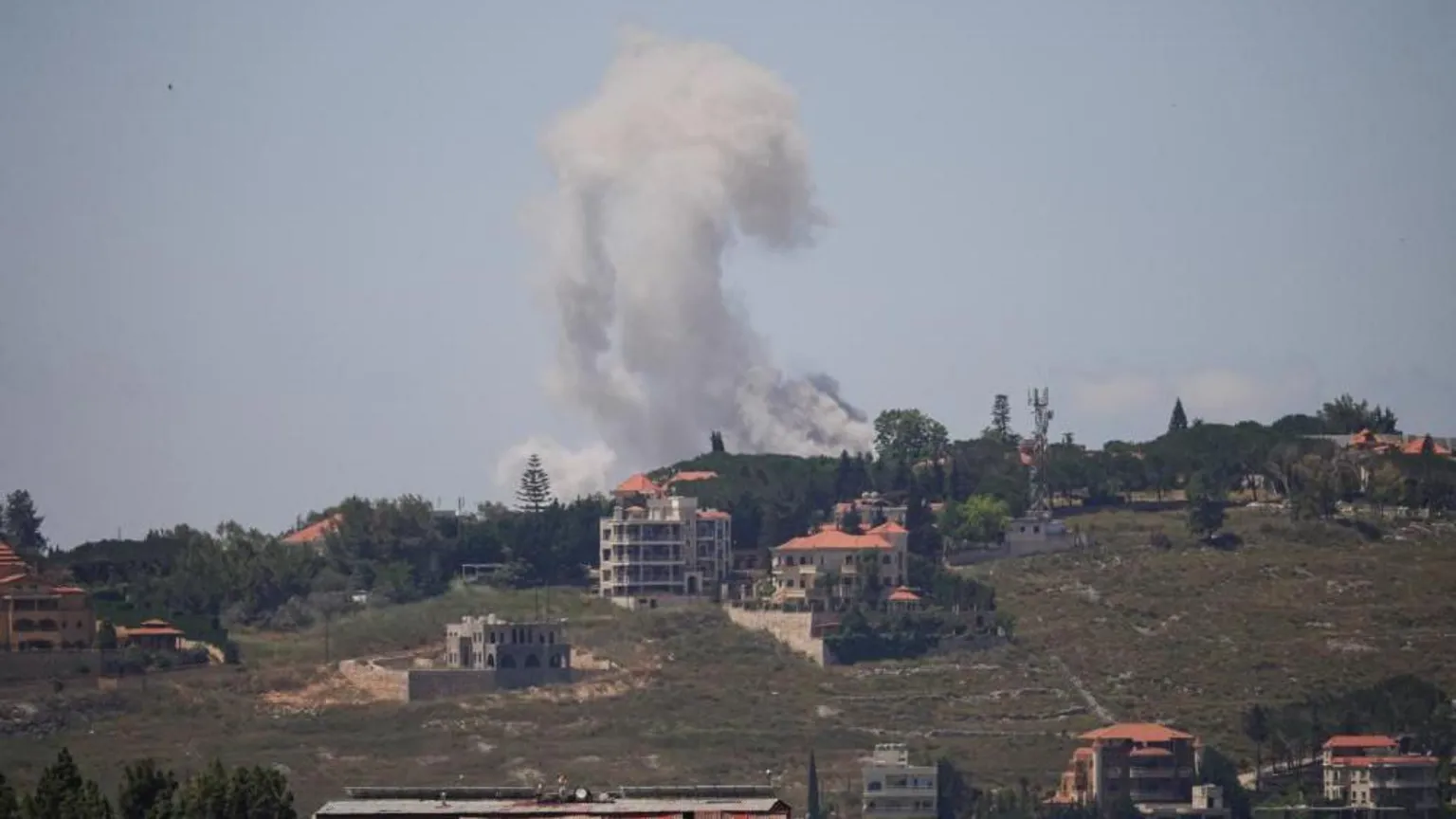
The incident underscores the precarious position of Lebanon’s government, which finds itself caught between an Israeli military campaign targeting Hezbollah and a militant group that operates independently of state authority. Beirut is not a party to the conflict and has actively sought a ceasefire, arguing that a negotiated end to hostilities is a prerequisite for its own forces to disarm Hezbollah. Israel, for its part, has expressed scepticism about the Lebanese government’s capacity to carry out such disarmament.
The broader conflict erupted on 2 March, when Hezbollah launched rockets into Israel in retaliation for an Israeli strike that killed Iran’s supreme leader. Israel responded with a sweeping air campaign across Lebanon and a ground invasion in the south. An initial ceasefire reached on 16 April failed to hold, and Israeli Prime Minister Benjamin Netanyahu announced an intensification of military operations on 26 May. Since then, Israeli strikes have been concentrated in southern Lebanon, though the IDF has also conducted operations in the country’s east.
Efforts to broker a lasting halt to the fighting have repeatedly stalled. A US-backed ceasefire framework included provisions for pilot security zones in southern Lebanon from which Hezbollah would be barred, and a commitment by Israel not to strike Hezbollah positions in Beirut so long as the group refrained from attacking Israel. Hezbollah’s leader Naim Qassem rejected the deal outright, dismissing negotiations between Lebanon and Israel as "futile."
Iran has further complicated the diplomatic landscape by making any agreement to end its broader confrontation with the United States and Israel contingent on a halt to the campaign against Hezbollah. US President Donald Trump has sought to reduce tensions in Lebanon, but the interlocking conditions set by Tehran and the continued military operations have left little room for progress.
Idf Strike Lebanese Army: Regional Implications
Saturday’s strike on Lebanese Army personnel — forces that Israel is not formally at war with — risks inflaming an already volatile situation. The IDF has issued sweeping evacuation orders across much of southern Lebanon, and the area around Kfar Tebnit and Nabatieh has seen some of the heaviest displacement since the conflict began. The killing of uniformed Lebanese soldiers, however, represents a qualitatively different flashpoint, one that Beirut is unlikely to absorb without sustained international pressure on Israel to account for the incident.
The investigation launched by the IDF will be closely watched by both Lebanese officials and international mediators seeking to preserve what little diplomatic space remains in a conflict that has so far resisted every attempt at resolution.