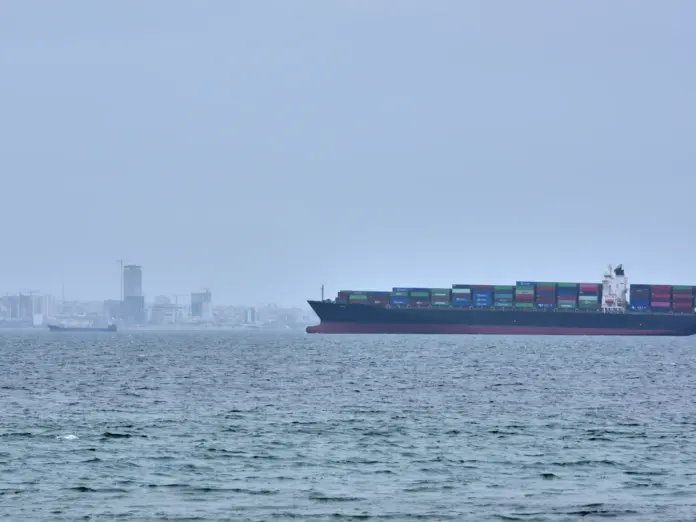
Iran Hormuz Blockade — A bulk carrier came under attack from multiple small craft off Iran’s southern coastline on Sunday, heightening tensions in one of the world’s most strategically critical maritime corridors. The vessel was travelling northbound when it was targeted approximately 11 nautical miles — roughly 20 kilometres — west of Sirik, a town situated on the Iranian side of the Strait of Hormuz.
The United Kingdom Maritime Trade Operations (UKMTO), which monitors commercial shipping safety across the region, reported the incident and confirmed that all crew members aboard the unidentified vessel were safe. No environmental damage resulted from the attack.
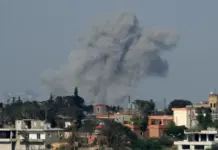
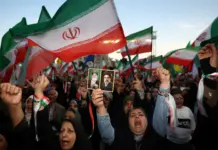
The assault adds a volatile new dimension to an already combustible situation in the Strait of Hormuz, through which a significant share of the world’s oil, liquefied natural gas, and fertilizer supplies transit daily. The waterway has been under sustained pressure since the United States and Israel launched military operations against Iran in late February, a conflict that has fundamentally reshaped the geopolitics of the Persian Gulf.
Recommended Reading
Despite the ongoing war, Iran has maintained effective control over the Strait of Hormuz. In response, Washington imposed a sweeping counter-blockade on Iranian ports on April 13, just days after a fragile truce came into effect — a move that has dramatically escalated economic pressure on Tehran while simultaneously rattling global commodity markets.
US Central Command (CENTCOM) disclosed that 49 commercial vessels had been redirected under the terms of the blockade, and stated that American forces remain committed to its total enforcement. The operational scope of the blockade has sent shockwaves through international trade networks, disrupting major flows of oil, gas, and fertilizer to markets across Europe, Asia, and beyond.
The economic consequences have been swift and severe. Oil prices surged to a four-year high of $126 per barrel, rattling equity markets and amplifying inflationary pressures on import-dependent economies. The spike has drawn alarm from governments and financial institutions monitoring the cascading effects on global supply chains.
Sunday’s attack on the bulk carrier underscores the degree to which commercial shipping in the region remains exposed to hostile action, even as diplomatic efforts to stabilise the situation continue in the background. The use of multiple small craft — a tactic associated with asymmetric naval harassment — suggests a coordinated effort to intimidate or disrupt vessel traffic in the approaches to the strait.
Iran Hormuz Blockade: Regional Implications
The Strait of Hormuz, a narrow chokepoint between Iran and Oman, handles an estimated 20 percent of global oil trade. Its vulnerability to disruption has long been a central concern for energy-importing nations and maritime security planners. The current conflict has transformed that theoretical risk into an operational reality, with commercial operators now navigating a corridor where the threat of interdiction is no longer hypothetical.
UKMTO has urged vessels operating in the area to exercise heightened vigilance and report any suspicious activity. The organisation, which operates under British naval authority and coordinates closely with allied maritime forces, has been tracking a marked increase in incidents since hostilities began in February.
With the US blockade now in its second week and Iranian forces maintaining a presence across the strait, the prospect of further confrontations involving commercial shipping appears significant. The attack on Sunday’s bulk carrier — its crew fortunate to have escaped unharmed — may prove to be one of many such incidents as the standoff between Washington and Tehran continues to unfold on the water.