Southern Lebanon — Israel’s military issued sweeping new displacement orders on Sunday targeting more than 10 villages and towns across southern Lebanon, including communities north of the Litani River that had not previously received such directives, deepening concerns that a fragile ceasefire is unravelling.
Israeli military spokesman Avichay Adraee posted the orders on X, instructing residents to evacuate their homes immediately and move at least 1,000 metres into open areas. Three of the towns named in the order were receiving such warnings for the first time, signalling a geographic expansion of Israeli military pressure beyond its established footprint south of the Litani.
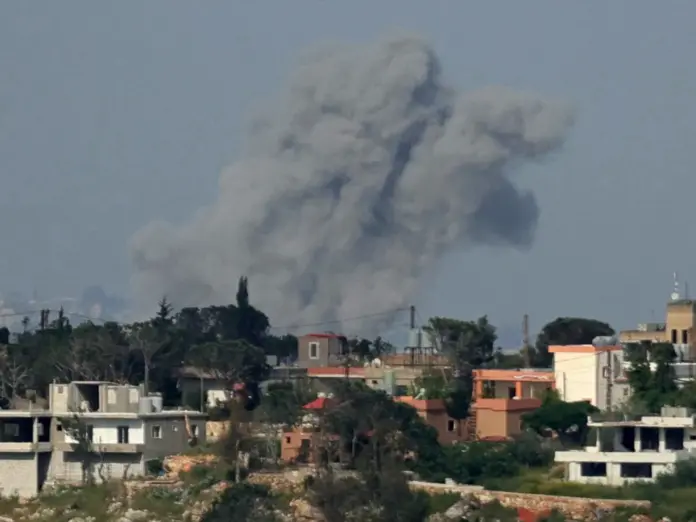
Israel Lebanon Displacement — Israeli strikes struck towns across southern Lebanon on Sunday, including locations not mentioned in the displacement order, compounding the sense of widespread insecurity for civilians in the region. The previous day, Lebanon’s Ministry of Public Health reported at least 10 people killed in Israeli attacks across the country. Since the conflict escalated sharply on March 2, the cumulative toll has reached 2,659 dead and 8,183 injured.
Recommended Reading
The orders arrive at a particularly volatile moment. Israel’s military chief of staff, Eyal Zamir, warned on Wednesday that Israel was prepared to strike Hezbollah beyond the Yellow Line — the boundary demarcating the current zone of Israeli control in Lebanon. That threat followed a difficult week for Israeli forces, during which drone attacks killed two soldiers and an army contractor and wounded dozens more in the area.
Israel continues to maintain five divisions of its military in southern Lebanon, a substantial presence that has persisted despite a US-brokered ceasefire that has been in place since April 17 and was recently extended to mid-May. Washington has urged both sides to move toward direct peace negotiations, but the path forward remains contested.
Lebanese President Joseph Aoun made clear on Wednesday that his government expects Israel to fully implement the ceasefire before any formal peace talks can begin. His remarks reflect growing frustration in Beirut over what Lebanese officials characterise as continued Israeli violations of the truce terms, including the maintenance of troops south of the Litani and the persistent issuance of displacement orders that keep civilian populations in a state of chronic displacement.
The Nabatieh district, situated north of the Litani River, is among the areas now covered by Sunday’s orders — a development that carries particular symbolic weight. The Litani has long served as an informal threshold in Israeli-Lebanese confrontations, and the extension of displacement orders into districts beyond it suggests Israeli military planners are either preparing for expanded operations or seeking to establish new facts on the ground ahead of any negotiated settlement.
Israel Lebanon Displacement: Regional Implications
The humanitarian consequences of sustained displacement and repeated strikes continue to mount. Tens of thousands of Lebanese civilians have been uprooted since the conflict intensified, and the infrastructure of entire communities in the south has been severely degraded. International pressure for a durable ceasefire has intensified, but concrete progress toward a lasting agreement remains elusive as military activity on both sides shows little sign of abating.
The United States, which brokered the current ceasefire arrangement, has called for direct negotiations between Beirut and Jerusalem. Whether Sunday’s escalatory signals — fresh displacement orders, new strikes, and explicit threats from Israel’s top military commander — will prompt renewed diplomatic urgency or further entrench the cycle of violence remains to be seen.