Washington / Tehran — Donald Trump said Saturday he is carefully studying a 14-point Iranian peace proposal but remains uncertain whether a diplomatic resolution with Tehran is within reach, as both sides exchange competing frameworks against the backdrop of a volatile ceasefire and a strangled global oil market.
Iran Hormuz Crisis — Iran submitted the proposal to Washington on Thursday through Pakistan, framing it as a direct counter to a nine-point American plan. Deputy Foreign Minister Kazem Gharibabadi delivered the document and issued a pointed statement afterward: ‘The ball is in the United States’ court to choose the path of diplomacy or the continuation of a confrontational approach.’
The Iranian proposal is sweeping in scope. It calls for legally binding guarantees against future military strikes, a full withdrawal of US forces from Iran’s periphery, the release of frozen Iranian assets, the lifting of all sanctions, war reparations, an end to all regional hostilities including in Lebanon, and a new international mechanism governing passage through the Strait of Hormuz. Tehran also insists its right to uranium enrichment be formally recognised under its status as a signatory to the Non-Proliferation of Nuclear Weapons Treaty.
Recommended Reading
Trump, speaking at an event in Florida, acknowledged the proposal but offered no commitment. He has drawn a firm red line on Iran’s nuclear capabilities and demanded that Tehran end its effective blockade of the Strait of Hormuz — the narrow waterway through which roughly one-fifth of global oil and gas exports transit. He also warned that Washington could resume military operations if Iran ‘misbehaves.’
The diplomatic exchange is the latest in a rapid-fire sequence of proposals and rejections. Iran put forward a 10-point peace plan on April 7, which Trump described as a ‘significant proposal’ but ultimately ‘not good enough.’ The United States had earlier drafted a 15-point framework on March 25 that demanded a one-month ceasefire and the complete dismantling of Iran’s nuclear facilities at Natanz, Isfahan, and Fordow, along with the transfer of Iran’s enriched uranium stockpile to the International Atomic Energy Agency. Tehran rejected that plan outright, arguing a temporary pause would simply allow the US and Israel time to regroup for further strikes.
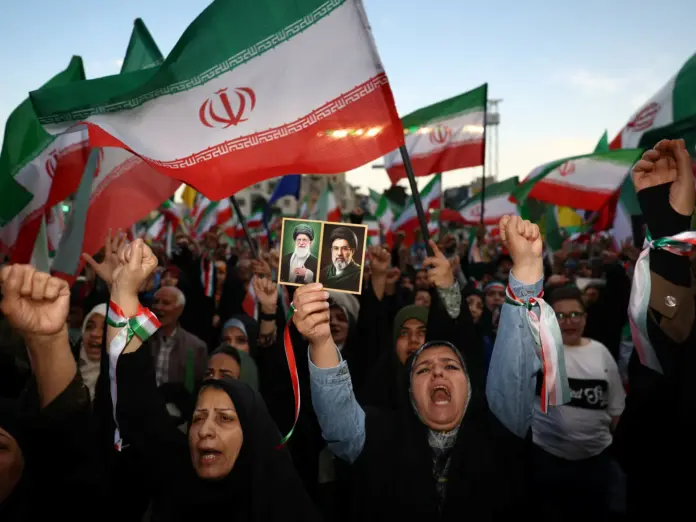
A ceasefire formally took effect on April 8, yet the situation on the ground remains deeply unstable. The Trump administration imposed a naval blockade of all Iranian ports on April 13 — five days after the ceasefire — a move Iran’s Ministry of Foreign Affairs condemned as a ‘damning admission of piracy’ after Trump described the blockade as a ‘very profitable business.’ The Islamic Revolutionary Guard Corps announced Saturday it remains on ‘full standby’ for a return to hostilities, underscoring how tenuous the pause in fighting truly is.
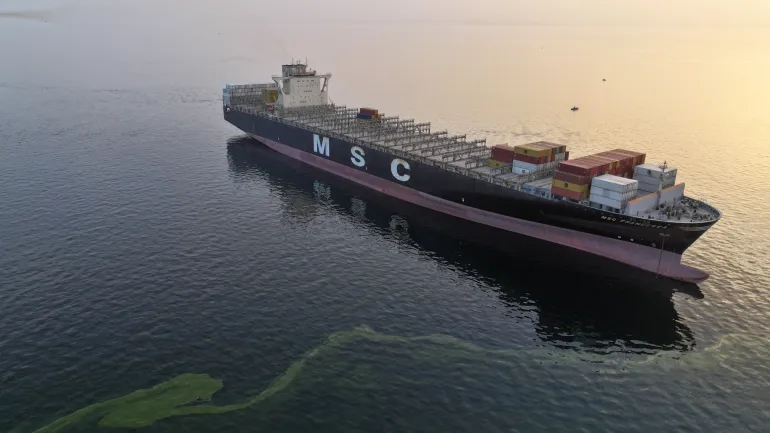
The economic consequences of the conflict are already severe. Brent crude stood at $111.29 per barrel on Friday morning, compared with approximately $65 before hostilities erupted on February 28 — a surge of more than 70 percent that is reverberating through global supply chains. The Strait of Hormuz has remained closed since the war began, after Iran imposed its de facto blockade in direct response to US and Israeli strikes. To counter that closure, Washington is assembling a naval coalition it calls the Maritime Freedom Construct, aimed at restoring freedom of navigation through the waterway.
Iran Hormuz Crisis: Regional Implications
Analysts offer a mixed assessment of where negotiations stand. Paul Musgrave, an associate professor of government at Georgetown University in Qatar, noted that Iran has ‘slightly softened’ its position in the latest proposal, suggesting some room for movement. However, Kenneth Katzman, a senior fellow at the Soufan Center, cautioned that Iran’s deep mistrust of Trump represents a more fundamental obstacle than any specific nuclear disagreement — a warning that procedural progress on paper may not translate into durable agreement.
Trump, for his part, characterised Iran as desperate, claiming the country had been ‘decimated’ by months of conflict and the naval blockade. Tehran has shown no public sign of capitulation, and the IRGC’s readiness declaration suggests Iranian military planners are not treating the ceasefire as permanent.
The conflict traces its origins to February 28, when the United States and Israel launched coordinated strikes on Iran, triggering the Hormuz closure and setting off the chain of military and diplomatic escalations that have since reshaped energy markets and regional security calculations. How far either side is willing to move from its stated positions — and whether the 14-point proposal represents a genuine opening or another step in a prolonged standoff — remains the central question facing negotiators on both sides.