Ukraine Strikes Russian Oil Ports — Ukrainian forces struck deep into Russian territory over the weekend, targeting critical oil export infrastructure and naval vessels in a dramatic escalation of the nearly four-year-old war, while Russian drone and missile barrages killed 10 people and wounded at least 76 across five Ukrainian regions.
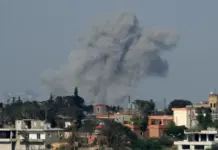
President Volodymyr Zelensky confirmed that Ukrainian forces had significantly damaged the Primorsk oil terminal in Russia’s northwestern Leningrad region, one of the country’s largest energy export gateways with a handling capacity of one million barrels per day. Zelensky said the attack hit the missile ship Karakurt, a patrol boat, and a tanker belonging to Russia’s so-called shadow fleet — a network of vessels used to circumvent Western sanctions on Russian energy exports.
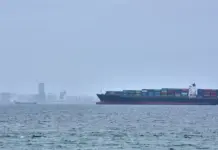
Video footage circulating online showed a naval drone closing in on one of two tankers struck near the entrance to the Black Sea port of Novorossiysk, where Zelensky confirmed additional shadow fleet vessels were hit. The twin-pronged assault on both the Baltic and Black Sea coasts underscored Ukraine’s expanding capacity to project force far beyond the front lines.
Recommended Reading
![Smoke rises from the Russian oil terminal at Primorsk, 135km (85 miles) northwest of St Petersburg, on March 23, 2026 [File: Handout/Planet Labs via AFP]](https://world-tension.s3.us-east-2.amazonaws.com/articles/737/7d0d21d7b69043f48b148ec9af8ade65.webp)
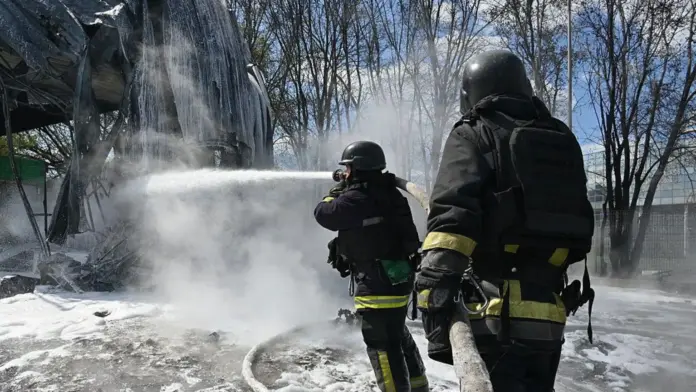
Leningrad Governor Alexander Drozdenko acknowledged the attack on Primorsk caused a fire in the town, though he said it was extinguished and no oil spill occurred. He added that more than 60 drones were intercepted overnight across the northwestern region. Primorsk has been struck multiple times in recent months as Kyiv has systematically targeted Russian energy infrastructure, with Ukrainian officials claiming the campaign has knocked out billions of dollars worth of Russian oil exports.
The strategic and economic stakes were underlined by Kremlin spokesman Dmitry Peskov, who warned that continued Ukrainian strikes on Russian oil infrastructure could push global oil prices even higher, noting they had already surpassed $120 a barrel.
On the Russian side, Ukraine’s air force reported that Moscow fired a ballistic missile and approximately 268 drones overnight — the vast majority of which were intercepted. Russia, for its part, claimed Ukraine launched at least 334 drones, with the Leningrad region bearing the brunt of the assault. Moscow Mayor Sergei Sobyanin said four drones were downed on approach to the Russian capital on Saturday, while Moscow Governor Andrei Vorobyov confirmed a 77-year-old man died in a village drone strike that same evening. In the Smolensk region, Governor Vasily Anokhin said three people, including a child, were injured when a drone struck an apartment block on Sunday.
The human toll inside Ukraine was severe. Three people were killed in the Kherson region, two each in Odesa, Donetsk, and Zaporizhzhia regions, and one in Sumy. In Odesa, Governor Oleh Kiper said Russian strikes killed two people, including a truck driver at a port, damaged three residential buildings, and struck port infrastructure and equipment. On the eastern front, Ukraine’s top military commander warned that Russian troops were steadily advancing toward the city of Kostiantynivka in the Donetsk region.
Ukraine Strikes Russian Oil Ports: The Wider European Impact
The relentless aerial exchanges have become a defining feature of the conflict. Both sides have been launching hundreds of explosive-laden drones at each other on a near-daily basis, stretching air defence systems and civilian resilience alike.
The intensifying Ukrainian drone campaign is also reshaping the political atmosphere inside Russia. The Kremlin announced Wednesday it would scale back its annual Victory Day military parade — held on 9 May to commemorate the defeat of Nazi Germany in World War Two — citing what it described as a terrorist threat from Ukraine. The decision to reduce one of Russia’s most symbolically charged national ceremonies reflects the degree to which the war has begun to intrude on the Russian home front in ways Moscow has long sought to minimise.
Ukraine’s sustained targeting of Russian energy infrastructure signals a deliberate strategic shift — one aimed at squeezing Russian export revenues and raising the economic cost of the war, even as the fighting on the ground remains grinding and attritional.