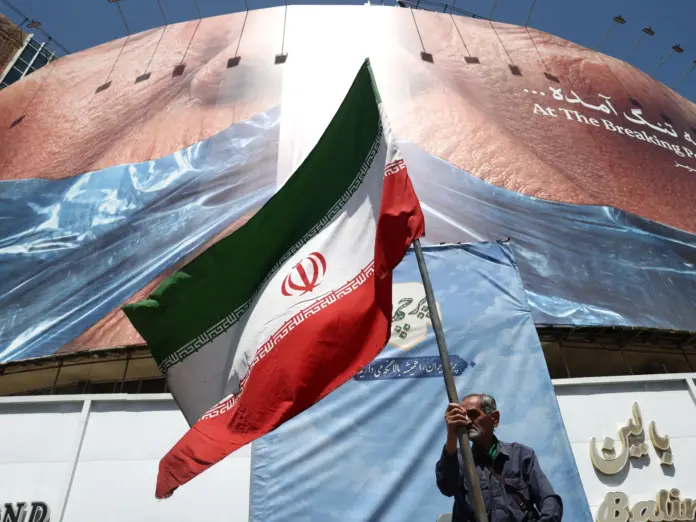
Us-Israel Iran War — One hundred days have passed since the United States and Israel launched a coordinated military campaign against Iran on February 28, 2026 — a conflict that has reshaped the Middle East, disrupted global energy markets, and left a trail of death and displacement stretching from the mountains of southern Lebanon to the streets of Tehran.
The human toll has been staggering. At least 3,468 people have been killed in Iran and 3,593 in Lebanon, with a further 29 deaths recorded across Gulf states. Iranian attacks have killed 26 Israelis and 13 US soldiers since hostilities began. More than one million Lebanese civilians have been displaced by Israeli military operations, while in Iran, over three million people were uprooted in the conflict’s first two weeks alone.
On the ground in Lebanon, Israeli forces have pushed deeper into the country than at any point in more than 25 years. As of June 1, troops had reached the outskirts of Nabatieh in the south, and the capture of Beaufort Castle — a medieval hilltop fortress long held as a symbol of Lebanese resistance — marked the most significant territorial advance of the campaign. Israeli forces now occupy approximately 2,000 square kilometres, or nearly one-fifth of Lebanese territory.
Recommended Reading

A ceasefire between the US and Iran, brokered by Pakistan following talks in Islamabad, was announced on April 8. Within hours, however, Israel launched more than 100 air strikes across Lebanon, killing more than 250 people and casting immediate doubt on the durability of any pause in fighting. A separate ceasefire in Lebanon did not take effect until April 17, nine days later.
The Islamabad negotiations, held on April 11 and 12, ultimately collapsed over the question of Iran’s nuclear programme — the same issue that had derailed earlier diplomatic efforts during talks in June 2025. Following the breakdown, Washington announced a naval blockade of Iranian ports beginning in mid-April, further tightening pressure on Tehran.
The war’s most far-reaching consequences may prove to be economic. The Strait of Hormuz, through which roughly one-fifth of the world’s oil and gas once flowed, has been effectively throttled. Before the conflict, approximately 100 ships transited the strait daily. Between February 28 and May 31, that figure collapsed to an average of fewer than seven per day — just 607 vessels over three months. The US blockade of Iranian ports compounded the disruption.

Brent crude oil, which traded at around $70 per barrel before the war, crossed $100 within the first week of fighting — its highest level since 2022. Prices eventually peaked at nearly $120 per barrel before retreating to around $100. The S&P 500 shed 9.1 percent through late March from its pre-war highs.
The pain has been felt worldwide. At least 146 countries have reported increases in petrol prices since late February. In Myanmar, fuel costs surged more than 90 percent in the first three months of the conflict. Nigerians are paying more than 50 percent more at the pump, while drivers in Peru are spending 40 percent more to fill their tanks than before the war began.
Us-Israel Iran War: Regional Implications
The conflict has also taken a significant political toll on President Donald Trump, whose administration co-launched the campaign. As of June 2, his approval rating stands at just 40.3 percent, with 57 percent of Americans disapproving of his job performance — figures that reflect deep public unease over both the military campaign and its economic consequences at home.
The war did not emerge without warning. Diplomatic efforts had already broken down once, during negotiations in June 2025, before hostilities resumed in earnest on February 28, 2026. The central sticking point — Iran’s nuclear ambitions — remains unresolved, leaving the fragile ceasefires in place but the underlying crisis far from settled.
With Israeli forces still entrenched across southern Lebanon, Iranian ports under blockade, and global energy markets in sustained disruption, the 100-day mark offers little cause for optimism. The ceasefires have slowed the killing, but the conditions that ignited the war remain intact — and the world is still paying the price.